
Product Descriptions
Some rings ask you to take their word for it. The Wisteria arrives with proof. At the heart of this pear lab grown diamond bridal set sits a 5x7mm pear-cut lab-grown diamond — IGI certified, D color, VVS clarity — wrapped in hand-sculpted vines of solid 14K yellow gold and paired with a matching vine-style ring guard. Every stone documented, every leaf deliberate.
The Engagement Ring
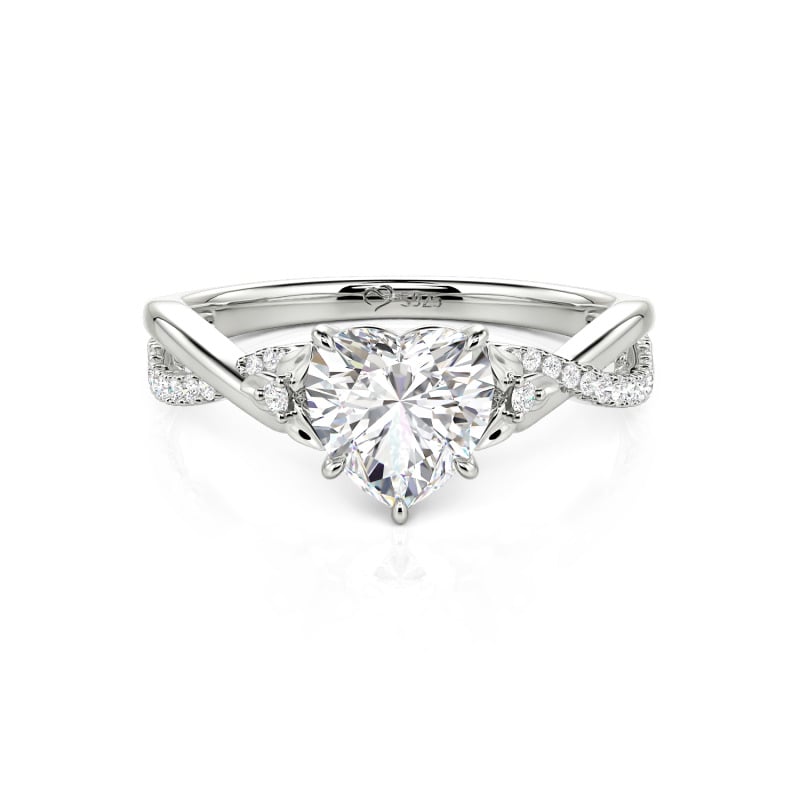
A pear-cut, IGI-certified lab-grown diamond of approximately 1 carat, held aloft by sculpted gold branches and dotted with lab-grown diamond accents along the vine.
The Ring Guard
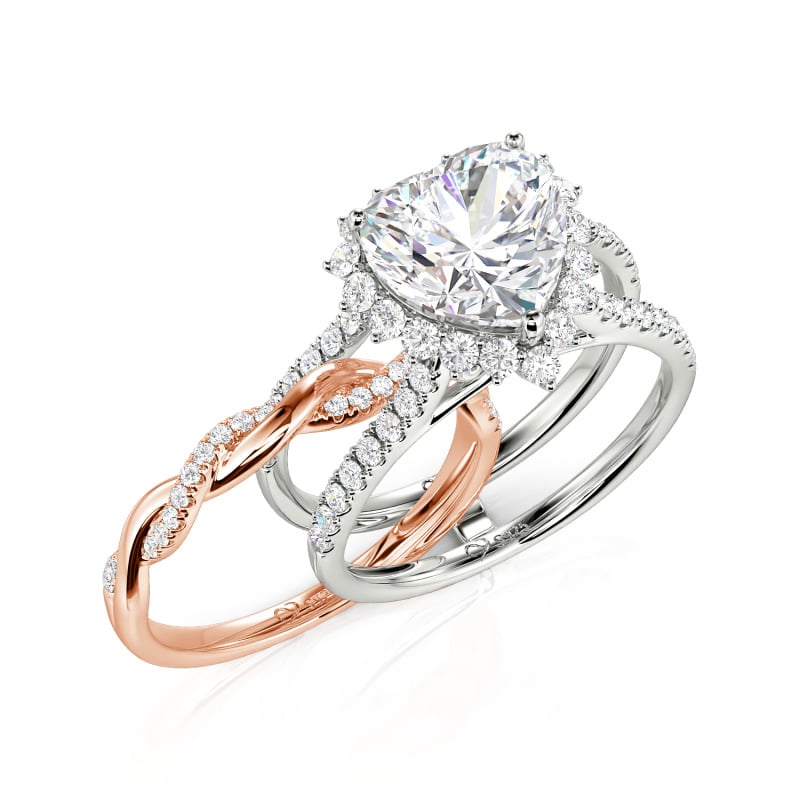
A matching vine-style guard that curves around the engagement ring, its leaves set with the same lab-grown diamond accents so the pairing reads as one continuous garden.
A diamond with its own paperwork
The center stone is a genuine diamond — grown above ground rather than mined, but chemically, optically, and physically identical to one pulled from the earth. It registers a 10 on the Mohs scale, the hardest of any gemstone, and it ships with an IGI certificate carrying a unique serial number that records exactly what you own. If you are curious how a real diamond comes to exist in a laboratory, our guide to how lab-grown diamonds are made walks through the science, and our comparison of IGI vs GIA certification explains what that report actually verifies.
D color is the highest color grade a diamond can receive — fully colorless — and VVS clarity means inclusions so slight that even a trained grader needs magnification to find them. Grades this high are a rarity in mined stones at this price; here they are the standard.
Why the pear cut belongs on a vine
The Wisteria’s branches taper, curl, and come to soft points — and the pear cut does the same. Its rounded shoulders settle naturally into the sculpted leaves while the tip carries the eye upward along the band, so the stone looks grown into the setting rather than mounted on top of it. At 5x7mm and approximately 1 carat, it holds real presence on the hand without overwhelming the botanical detail around it. For more on the shape’s history and flattering proportions, see our pear-shaped engagement rings guide.
Solid yellow gold, in the karat you choose
Every Wisteria set is cast in solid yellow gold all the way through — select 10K, 14K, or 18K from the drop-down. 10K is the most durable and most affordable; 14K is the classic balance of strength and rich warmth, and our most popular choice; 18K carries the highest gold content and the deepest color. Because the metal is solid, its warmth is permanent for generations of wear. Our 10K vs 14K vs 18K karat comparison guide breaks down the differences, and white or rose gold are available on request.
An heirloom with a record
A certified stone is easier to insure, easier to appraise, and easier to pass down — the serial number ties the diamond to its grading report for life. If long-term worth is on your mind, our honest look at whether lab-grown diamonds hold value is worth five minutes. When you are ready to compare, this set lives among our lab-grown diamond engagement rings, our wider diamond jewelry collection, and our wedding ring sets for women.
Specifications
- Center stone Lab-grown diamond, IGI certified
- Shape / cut Pear
- Stone size 5.0 x 7.0 mm (approx.)
- Carat weight Approx. 1 ct
- Color D
- Clarity VVS
- Hardness 10 (Mohs scale)
- Accent stones Lab-grown diamonds
- Metal Solid yellow gold — 10K, 14K, or 18K
- Finish High polish
- Band width Approx. 1.7 mm
- Set includes Engagement ring + matching ring guard
- Certification IGI certificate with unique serial number
- Engraving Complimentary, up to 16 characters
- Production Made to order — please allow 3–5 weeks
Sizing & care
Ring sizing can vary slightly between jewelers’ tools, so measure with our find your size guide before ordering. A diamond at Mohs 10 shrugs off daily wear; keep the gold bright by washing the set occasionally in warm water with a drop of mild soap, brushing gently behind the stones, and drying with a soft cloth. Each set is handmade to order — requested modifications may adjust the production timeline and pricing — and an optional professional appraisal can be added from the drop-down menu (non-refundable once completed). Every order arrives in a free luxury ring box.
Frequently Asked Questions
Is a lab-grown diamond a real diamond?
Yes. A lab-grown diamond is pure crystallized carbon, exactly like a mined diamond — the same chemistry, the same brilliance, and the same 10 on the Mohs hardness scale. The only difference is origin: it was grown above ground under controlled conditions instead of mined.
What does the IGI certificate include?
Your set ships with an IGI certificate of authenticity carrying a unique serial number. It documents the diamond’s grading so you have an independent record of exactly what you own — useful for insurance, appraisal, and peace of mind.
What do D color and VVS clarity actually mean?
D is the very top of the diamond color scale — completely colorless, with no warm tint at all. VVS stands for “very, very slightly included,” meaning any inclusions are so small that a trained grader needs magnification to locate them. To the naked eye, the stone is flawless and icy white.
How big is the center stone?
The pear-cut center measures approximately 5.0 x 7.0 mm, which corresponds to roughly 1 carat. It is a confident, noticeable size that still lets the sculpted vine details of the setting share the stage.
What exactly is included in the set?
Two rings: the pear-cut lab-grown diamond engagement ring and a matching vine-style ring guard that frames it. Both carry lab-grown diamond accents, and both arrive together in a free luxury ring box.
Are the accent stones also lab-grown diamonds?
Yes. Every accent stone along the vines of both rings is a lab-grown diamond, matched to the center stone so the whole set sparkles with the same white fire.
Which karat of yellow gold should I choose?
10K is the hardest-wearing and most affordable; 14K is the classic sweet spot of durability and rich color, and the one most of our couples pick; 18K holds the most gold for the deepest warmth. All three are solid gold through and through — our karat comparison guide covers the details.
Will the yellow gold color change over time?
No. Because the set is solid gold all the way through — never a coating over another metal — the warm yellow color is permanent. It will not wear away or turn your skin green, no matter how often you wear it.
Is this set suitable for everyday wear?
Very much so. Diamond is the hardest gemstone on earth at Mohs 10, and solid gold is a proven daily-wear metal. Reasonable care — removing the rings for heavy manual work and cleaning them occasionally — will keep the set looking new for decades.
Can I get this set in white or rose gold?
Yes. The listed options are 10K, 14K, and 18K yellow gold, but white and rose gold versions are available on request — just contact us before ordering and we will arrange it.
Do lab-grown diamonds hold their value?
A certified stone with a documented grade always resells and insures more credibly than an undocumented one, and this diamond’s IGI report ties it to its grading for life. That said, we’d encourage buying it as an heirloom rather than an investment — its truest value is the decades it spends on a hand.
How do I find my ring size?
Use the find your size guide linked above before ordering. Sizing tools can vary by up to half a size between jewelers, so measuring at home — ideally at the end of the day, when fingers are warmest — gives the most reliable fit.
How long does production take?
Each Wisteria set is handmade to order; please allow 3–5 weeks for completion. Requested modifications may extend the timeline and adjust pricing. Complimentary engraving of up to 16 characters is included, and shipping within the US is free.


There are no reviews yet.
No loaded reviews match this filter. Load more reviews or choose another rating.